Your pelvic floor muscles play a crucial role in supporting your bladder, bowel, and reproductive organs, yet many people don’t realize when these muscles need attention. Whether you’re dealing with incontinence, pelvic pain, or simply want to maintain optimal pelvic health, targeted pelvic floor exercises can make a significant difference in your daily life.
Pelvic floor exercises can help strengthen weak muscles and relax muscles that are too tight, addressing issues like urinary incontinence, pelvic organ prolapse, and sexual dysfunction. These muscles support your pelvic organs and can become either too weak or too tight due to factors like childbirth, aging, chronic coughing, or high-impact activities.
Understanding how to properly identify and exercise your pelvic floor muscles is essential for getting results. The right approach depends on whether your muscles need strengthening or relaxation, and different techniques work better for different people based on their specific needs and life circumstances.
Key Takeaways
- Pelvic floor muscles can be either too weak or too tight, requiring different exercise approaches for optimal results
- Proper identification and engagement of these muscles is essential before starting any exercise routine
- Consistent practice of targeted exercises can improve bladder control, reduce pain, and enhance sexual function
Understanding the Pelvic Floor
The pelvic floor muscles form a supportive network that controls bladder and bowel functions while maintaining core stability. These muscles can become weak or overly tight, leading to various health issues that affect daily life.
Anatomy and Function of the Pelvic Floor Muscles
Your pelvic floor muscles stretch like a hammock across the bottom of your pelvis. These muscles work together as a group to support your internal organs. The pelvic floor muscles support multiple organs including your bladder, urethra, rectum, and intestines. In women, they also support the uterus, cervix, and vagina. In men, they support the prostate.
These muscles have three main jobs:
- Support: They hold your pelvic organs in the right place
- Sphincter control: They help control when you empty your bladder and bowels
- Stability: They work with your core muscles to support your spine
Your pelvic floor muscles also play a key role in sexual function. They contribute to arousal and orgasm in both men and women. The muscles contract and relax throughout the day. They tighten when you cough, sneeze, or lift something heavy. They relax when you need to use the bathroom.
Common Causes of Pelvic Floor Weakness
Several factors can cause your pelvic floor muscles to weaken over time. Understanding these causes helps you take steps to protect your pelvic health.
Pregnancy and childbirth are major causes of pelvic floor weakness in women. The weight of the baby during pregnancy puts pressure on these muscles. Vaginal delivery can stretch or tear the muscles.
Aging naturally weakens all muscles in your body, including the pelvic floor. Hormone changes during menopause also affect muscle strength in women.
Chronic coughing from conditions like asthma or smoking puts repeated stress on the pelvic floor. Each cough forces the muscles to work harder.
Surgery in the pelvic area can damage or weaken these muscles. Prostate surgery in men and hysterectomy in women are common examples.
Lack of exercise leads to weak muscles throughout your body. Your pelvic floor muscles need regular use to stay strong, just like other muscles.
Obesity puts extra weight and pressure on your pelvic floor muscles. This constant stress can weaken them over time.
Effects of a Weak or Tight Pelvic Floor
Pelvic floor problems can make daily activities difficult and uncomfortable. The symptoms depend on whether your muscles are too weak or too tight.
Weak pelvic floor muscles cause several noticeable problems. You might leak urine when you cough, sneeze, or exercise. This is called stress incontinence. You may also have trouble controlling your bowels. Some people feel like their bladder never empties completely. Others have a frequent urge to urinate.
Tight pelvic floor muscles create different issues. You might experience pelvic pain that feels like pressure or aching in your pelvis. Constipation is common with tight muscles. You may have trouble starting to urinate or feel pain during sex. Some people have both weak and tight areas in their pelvic floor. This mixed condition requires special attention from a healthcare provider.
Physical symptoms that affect your daily life include:
- Leaking urine or stool
- Frequent bathroom trips
- Difficulty emptying your bladder
- Lower back pain
- Hip pain
Emotional effects can include embarrassment, anxiety about leaving home, and avoiding physical activities. These feelings can impact your quality of life and relationships.
Benefits of Pelvic Floor Muscle Exercises
Pelvic floor exercises provide significant improvements for bladder and bowel control, sexual function, and pain reduction. These exercises work by strengthening weak muscles or helping tight muscles relax properly.
Support for the Bladder and Bowel
Pelvic floor exercises can help strengthen weak muscles and relax muscles that are too tight to improve bladder and bowel control. These muscles hold your bladder, intestines, urethra, and rectum in place.
Stress incontinence happens when you leak urine during activities like coughing, sneezing, jumping, or laughing. This occurs when your pelvic floor muscles are too weak to support your bladder properly.
Strengthening exercises can help you regain better control. By making the muscles that support your urethra and rectum stronger, you can reduce leakage and improve quality of life.
However, muscles that are too tight can also cause problems. When your pelvic floor muscles stay contracted, they cannot relax when needed. This makes it hard to control urine flow properly.
For tight muscles, stretching and lengthening exercises work better than strengthening moves. These help train your muscles to relax at the right times.
Improving Sexual Health
Strong pelvic floor muscles play a key role in sexual function for both men and women. These muscles control important functions during sexual activity.
For men, pelvic floor exercises may improve premature ejaculation and erectile dysfunction. The exercises are simple, safe, and do not require surgery or medication.
Women can also benefit from better sexual health through pelvic floor training. Strong muscles can improve sensation and arousal during sexual activity.
Pain during sex is often linked to muscles that are too tight rather than too weak. For women experiencing pain, stretching exercises work better than strengthening moves like Kegels.
Working with a trained therapist can help you learn the right exercises for your specific needs. They can tell you whether your muscles need strengthening or stretching.
Reducing Pelvic Pain
Pelvic floor exercises can help reduce different types of pelvic pain. The right exercises depend on whether your muscles are too weak or too tight.
Tight pelvic floor muscles can cause pain in your pelvis, lower back, and hips. Stretching exercises like yoga poses can help these muscles relax.
Common stretches include Child’s Pose and Happy Baby pose. Cross-body stretches where you draw your knee to the opposite shoulder also help.
Weak muscles can cause pain from poor support of your pelvic organs. Strengthening exercises help build the support your body needs.
A physical therapist can teach you proper posture and body mechanics. These changes can reduce pressure on your bladder and other pelvic organs.
The exercises are private and can be done at home. No one will know you are working on your pelvic floor when you do the stretches or strengthening moves.
How to Identify and Engage Pelvic Floor Muscles
Finding and properly engaging your pelvic floor muscles requires specific techniques and focused attention. Professional evaluation tools can help confirm you’re targeting the correct muscle groups.
Techniques for Locating the Right Muscles
Locating your pelvic floor muscles starts with understanding where they are located. These muscles sit between your genitals and anus in the perineal area.
For Women: Lie down comfortably or sit upright. Focus on the area between your genitals and anus. Imagine stopping the flow of urine and preventing gas from passing by slowly contracting your muscles inward.
You’ve found the right muscles if you can do this without squeezing your buttocks or inner thighs. The muscles should feel like they’re lifting up and in.
For Men: Use the same technique as women. You can also stand naked in front of a mirror while contracting your pelvic floor muscles.
If you’re using the correct muscles, you’ll feel the base of your penis draw in. You should also see your scrotum lift slightly.
Common Mistakes to Avoid:
- Holding your breath during contractions
- Tightening buttocks or thigh muscles
- Bearing down instead of lifting up
- Forgetting to relax between contractions
Core Pelvic Floor Exercises
These exercises strengthen the muscles that support your bladder, bowel, and reproductive organs while building core stability. The movements target both your pelvic floor and surrounding muscle groups for better overall function and control.
Kegels Exercise
Kegels are the most direct way to strengthen your pelvic floor muscles. You contract and relax these muscles in a controlled pattern to build strength and endurance.
How to perform kegels:
- Tighten your pelvic floor muscles as if stopping urine mid-stream
- Hold for 3-5 seconds
- Relax for 3-5 seconds
- Repeat 10-15 times
Start with shorter holds and gradually increase the time. You can do kegel exercises anywhere since they’re invisible to others.
Common mistakes to avoid:
- Holding your breath
- Tightening buttocks or thigh muscles
- Pushing down instead of lifting up
Practice kegels three times daily for best results. Many people see improvement within 4-6 weeks of regular practice.
Bridge Pose
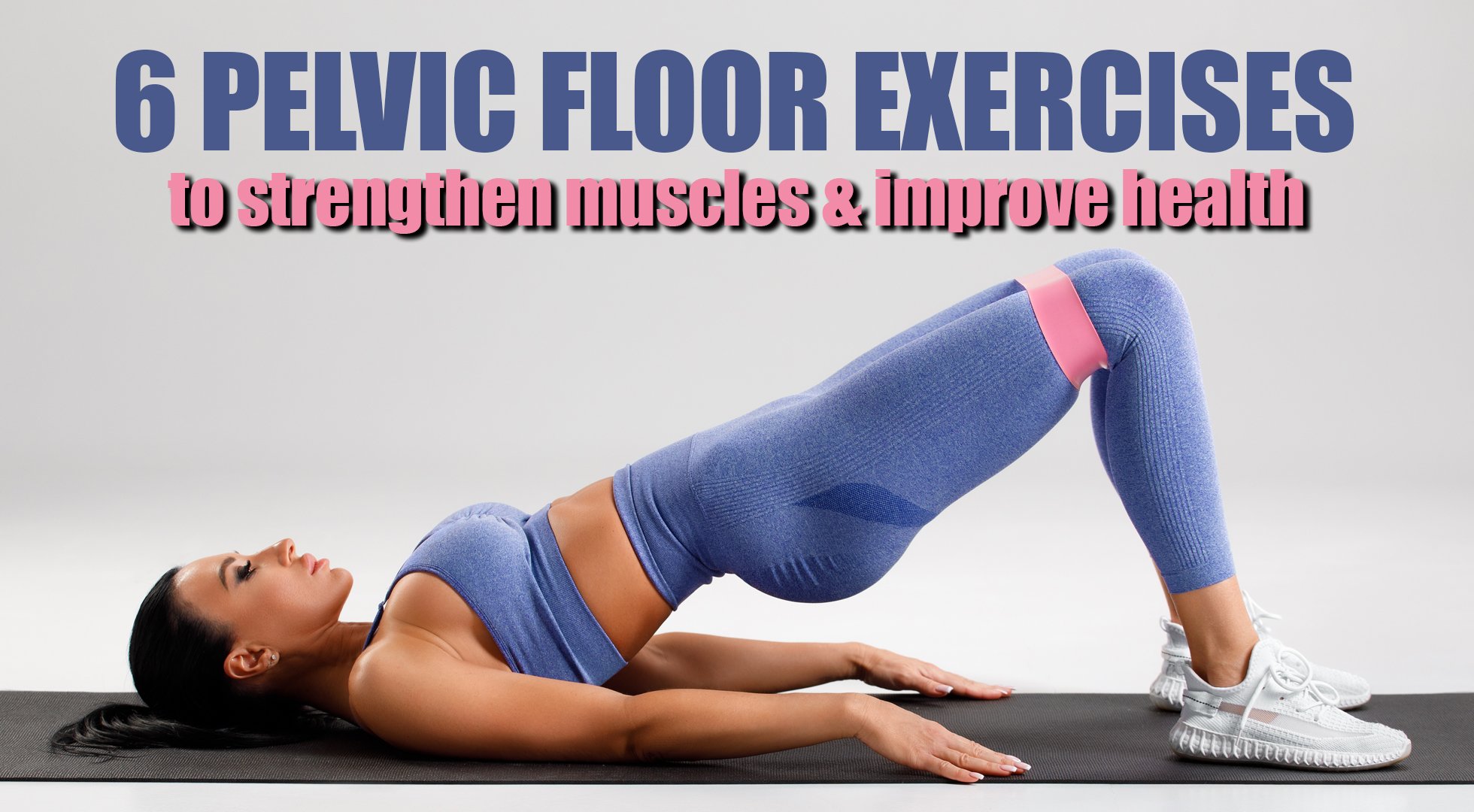
Bridge pose strengthens your glutes, hamstrings, and pelvic floor muscles simultaneously. This exercise helps improve core stability while reducing lower back pain.
Basic bridge technique:
- Lie on your back with knees bent and feet flat on the floor
- Lift your hips to create a straight line from knees to shoulders
- Squeeze your glutes and engage your pelvic floor
- Hold for 5-10 seconds
- Lower slowly and repeat 10-15 times
Advanced variations:
- Single-leg bridge
- Bridge with resistance band
- Bridge marches
The glute bridge march adds instability that forces your deep core muscles to work harder. Focus on keeping your hips level throughout the movement.
Squats
Squats engage your pelvic floor muscles while strengthening your legs and glutes. The downward motion gently stretches these muscles, while the upward phase activates them.
Proper squat form:
- Stand with feet shoulder-width apart
- Lower your body as if sitting in a chair
- Keep your knees behind your toes
- Engage your pelvic floor as you rise
- Complete 10-15 repetitions
Key points for pelvic floor benefits:
- Breathe out as you stand up
- Keep your core engaged throughout
- Don’t go too deep if you feel pressure
Start with bodyweight squats before adding resistance. Focus on form over speed to maximize pelvic floor activation.
Butterfly Stretch
The butterfly stretch improves flexibility in your hip muscles and gently activates your pelvic floor. This pose helps release tension that can affect pelvic floor function.
How to do butterfly stretch:
- Sit with the soles of your feet together
- Hold your feet with your hands
- Gently pull your heels toward your body
- Sit tall and breathe deeply
- Hold for 30-60 seconds
Tips for better results:
- Keep your back straight
- Don’t force the stretch
- Breathe normally throughout
This stretch works well as a warm-up before other pelvic floor exercises. It helps prepare your muscles for more active movements.
Sphinx Pose
Sphinx pose strengthens your back muscles while gently engaging your pelvic floor. This backbend helps improve posture and core stability.
Sphinx pose steps:
- Lie face down with forearms on the ground
- Lift your chest and head
- Keep your pelvis on the floor
- Engage your pelvic floor muscles
- Hold for 15-30 seconds
Benefits for pelvic floor:
- Improves spinal alignment
- Activates deep core muscles
- Reduces lower back tension
Start with shorter holds and gradually increase the time. This pose complements forward-bending exercises in your routine.
Childs Pose
Childs pose provides a gentle stretch for your pelvic floor muscles while promoting relaxation. This restorative position helps release tension and improve flexibility.
Child’s pose technique:
- Kneel on the floor with big toes touching
- Sit back on your heels
- Fold forward with arms extended
- Rest your forehead on the ground
- Breathe deeply for 30-60 seconds
Modifications:
- Place a pillow under your forehead
- Widen your knees for more comfort
- Use a bolster under your torso
This pose works well at the end of your pelvic floor exercise routine. It helps your muscles relax and recover after strengthening exercises.
Pelvic Floor Exercises for Specific Populations
Pregnancy and childbirth create unique challenges for pelvic floor muscles that require targeted exercise approaches. Women during pregnancy and after delivery need specific modifications to safely strengthen these crucial muscles.
Pregnancy and Postpartum Recovery
During Pregnancy
Your pelvic floor muscles work harder during pregnancy as they support your growing baby. Pelvic floor muscles can become weakened during pregnancy due to increased weight and hormonal changes.
Start gentle pelvic floor exercises in your first trimester. Focus on basic Kegel exercises by squeezing your pelvic muscles for 3-5 seconds, then relaxing for 3-5 seconds.
Safe Pregnancy Exercises:
- Basic Kegels: 10-15 repetitions, 3 times daily
- Breathing exercises: Deep belly breathing while engaging pelvic floor
- Wall squats: Support your back against a wall
Avoid exercises lying flat on your back after 20 weeks of pregnancy.
After Delivery
Pelvic floor exercises help with bowel and sexual function after childbirth. Your muscles need time to recover from delivery trauma.
Recommended Reading: 7 Abs Exercises for Diastasis Recti
Start gentle exercises 24-48 hours after delivery if you had a vaginal birth. Wait until your doctor clears you if you had a cesarean section.
Postpartum Recovery Plan:
- Week 1-2: Gentle breathing and basic Kegels
- Week 3-6: Add longer holds and more repetitions
- Week 6+: Progress to functional exercises like squats and bridges
Focus on quality over quantity. Your muscles may feel different than before pregnancy, and this is normal.
